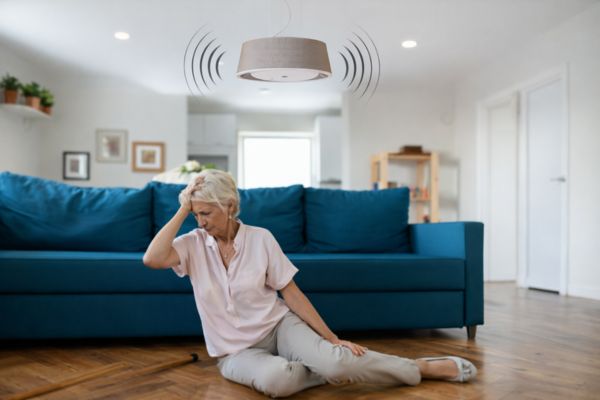
What Happens After a Fall at Home | Why Response Time Matters
What Happens After a Fall at Home and Why Response Time Matters
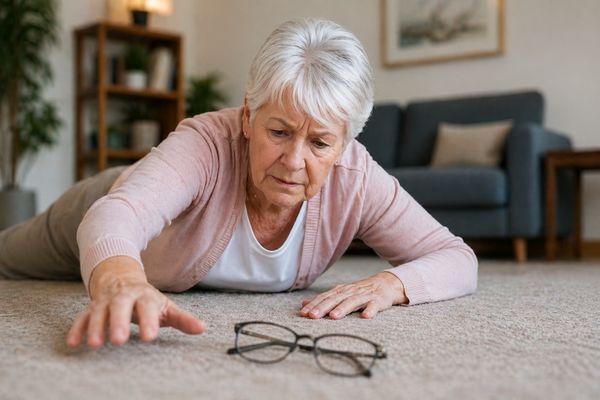
A fall at home can change everything in a matter of minutes.
Falls are one of the leading causes of injury for older adults. Each year in the United States, more than 1 in 4 people aged 65 and over will experience a fall. That equates to over 36 million falls every year, according to the CDC.
But the fall itself is only part of the story.
What happens next is often more important.
If you are supporting a loved one at home, this is the question that matters:
What happens if they fall when no one is there?
When a Fall Happens at Home
A fall can happen in seconds.
It might be a missed step. A moment of dizziness. A loss of balance while turning. These are not unusual situations.
In fact, many falls happen during everyday activities.
Around 80 percent of falls happen in the bathroom or living room
Many occur during routine movements such as standing up or walking a short distance
After the fall, there is often confusion.
Your loved one may try to get up too quickly. They may not realise the extent of their injury. They may feel shaken or unsure what to do next.
Some people can stand and recover. But many cannot.
Around half of older adults who fall are unable to get up without help.
This is where the real risk begins. In many cases, it is not the fall that causes the most harm. It is the time spent waiting for help.
The Time After the Fall
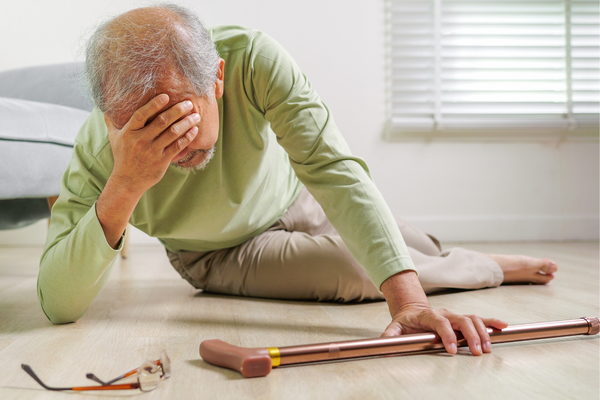
After a fall, there is often silence.
No one is aware. No one is there to respond.
This period is known as time on the floor. It refers to how long someone remains without help after falling.
Research has shown that long lie times are directly linked to higher rates of hospitalisation and long-term complications.
One well-known study found that older adults left on the floor for more than one hour after a fall were significantly more likely to experience serious complications, and around half died within six months.
This is not just uncomfortable. It is dangerous.
Extended time on the floor can lead to:
Dehydration
Pressure injuries to the skin
Muscle damage
Increased risk of pneumonia
A higher likelihood of hospital admission
There is also the emotional impact.
Being alone after a fall can be frightening. It can lead to anxiety, confusion, and a loss of confidence in moving around the home.
For many people, it is this experience that changes everything. It can be the moment where independence starts to feel uncertain.
Why Response Time Is So Important
When a fall happens, every minute matters.
The longer someone is left without help, the greater the risk.
Faster response can:
Reduce time spent on the floor
Lower the risk of serious complications
Improve recovery outcomes
Help maintain independence
This is why response time is one of the most important factors in senior safety.
It is not just about the fall. It is about what happens after.
The Reality for Families
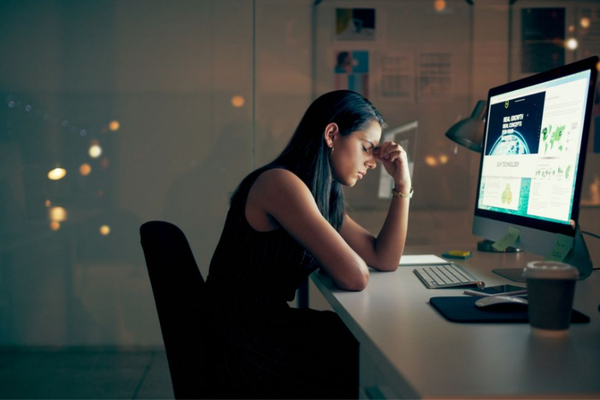
If you are caring for someone, you are likely doing everything you can.
You may call every day. You may visit regularly. You may check in when you have time.
You are not alone in this.
Across the United States, more than 53 million people are providing unpaid care to a loved one, often while balancing full-time work and family life.
This creates a challenge.
You care deeply. But you cannot be there all the time.
This creates gaps in support.
These gaps are not planned. They happen between calls, between visits, and during the moments no one is expecting anything to go wrong
A fall does not wait for a scheduled visit. It does not wait for a phone call.
It can happen at any time of day or night.
Here is what that can look like:
A fall happens late in the morning
Your loved one cannot get up
Your next call is in the afternoon
There is no answer
Several hours have passed
This situation is more common than most people realise.
It is not a failure of care. It is the reality of modern life.
Why Traditional Solutions Do Not Always Work
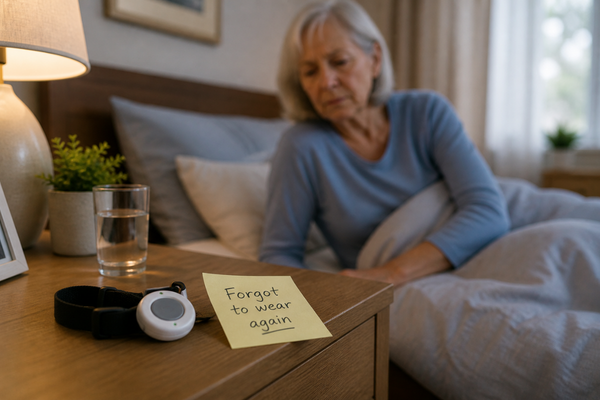
Some people rely on emergency buttons or alert systems.
These can be useful. But they depend on one key action.
The person must press the button.
After a fall, this is not always possible.
They may be in pain. They may not be able to move their arm. They may be disoriented. They may lose consciousness.
In these moments, no alert is sent.
Help is delayed.
This is not a problem with effort. It is a limitation of the system.
A Growing Need for Better Support
More people are choosing to remain at home as they age.
This is understandable. Home is familiar. It offers comfort and independence.
But it also introduces new challenges.
When someone lives alone, the risk is not just the fall. It is the delay in response.
As more people age at home, the need for reliable support becomes more important.
How Evolve by TLS Responds
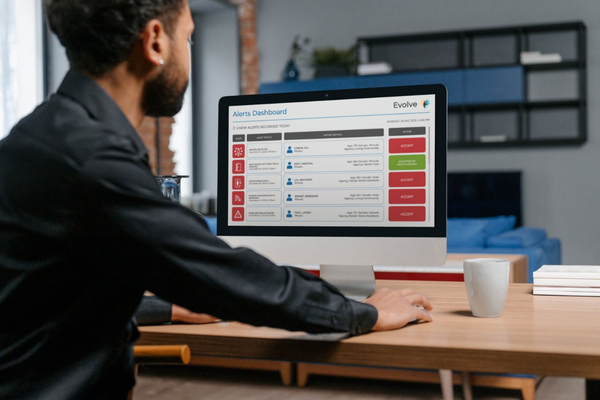
This is where continuous monitoring changes the situation.
Evolve by TLS is designed to respond at the moment it matters most.
When a fall is detected, the process begins immediately.
Fall detection
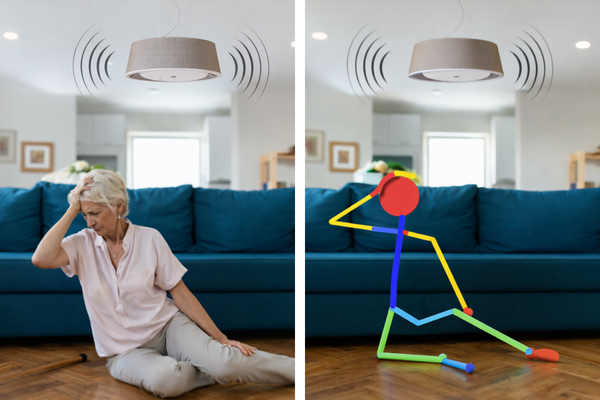
A fall is automatically identified using in-home technology that is fully private. There are no cameras, listening devices or buttons to press. The system uses two ambient technologies: Nobi smart lighting and Vayyar sensors.
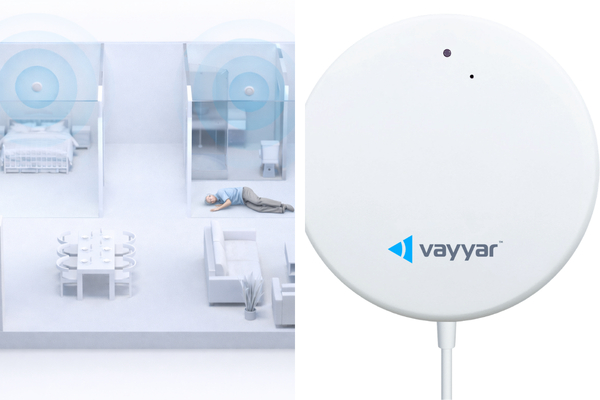
Immediate nurse call
Response occurs in real time. As the device encounters a fall, a notification arrives at our EVOLVE portal in minutes. A trained nurse responds and calls the individual straight away.
Real-time assessment
The nurse speaks directly with them. They assess what has happened and understand the situation.
Family contact
If needed, you are contacted quickly so you are aware and involved.
Emergency support
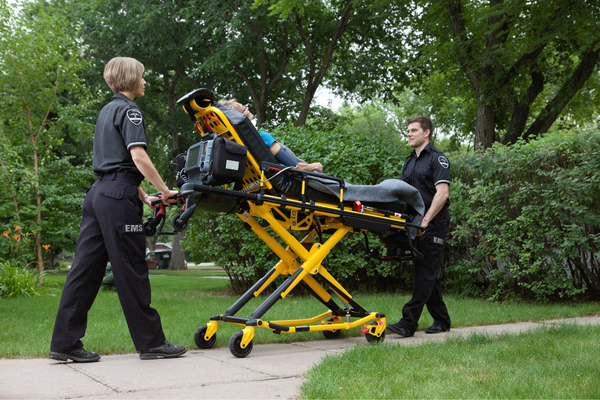
If urgent care is required, emergency services are contacted without delay.
This process ensures that no one is left without support.
The focus is simple. Detect the event, respond quickly, and make sure the right people are involved without delay
The Difference This Makes
When someone receives help quickly, the outcome can be very different.
Instead of lying on the floor waiting, they are supported.
Instead of uncertainty, there is clear action.
Instead of fear, there is reassurance.
For the individual, this helps maintain independence.
For you, it reduces the constant concern that something could happen without you knowing.
It provides confidence that someone is always there.
It changes the outcome, but it also changes how safe home feels every day.
Supporting Independence at Home
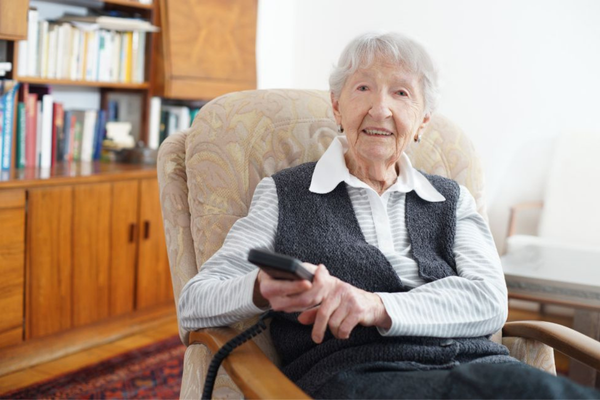
Living at home should feel safe.
Not just when everything is going well, but when something unexpected happens.
True independence is not about being alone. It is about having the right support in place.
Monitoring does not take independence away.
It helps protect it.
It allows your loved one to remain at home while ensuring that help is available when it is needed.
Frequently Asked Questions
What should you do after a fall?
If your loved one can speak, ask how they feel. Keep them still. Avoid rushing them to stand. Seek medical advice if needed.
If they cannot respond or appear seriously injured, call emergency services immediately.
How long is too long after a fall?
There is no exact timeframe, but the sooner help arrives, the better.
Long delays increase the risk of complications.
Are check-in calls enough?
Check-in calls are helpful, but they cannot respond in real time.
They do not cover the moment when something happens.
Does monitoring replace caregiving?
No. It supports caregiving.
It helps ensure there is always a layer of protection in place.
Is monitoring intrusive?
Modern systems are designed to be discreet.
They support safety without interrupting daily life.
Final Thought
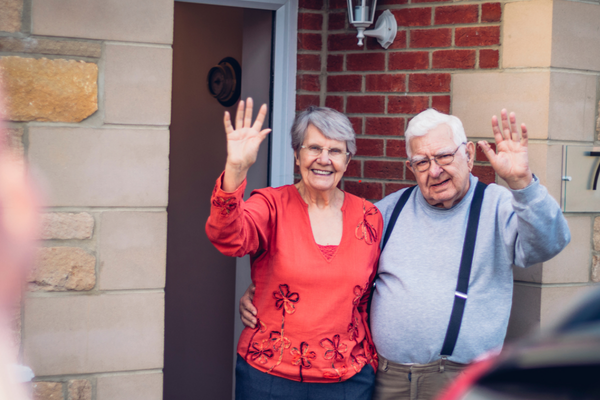
If you are supporting someone at home, you are already doing something important.
You are giving your time, your care, and your attention.
But safety is not just about preventing incidents.
It is about being ready for the moments that cannot be planned.
A fall can happen at any time.
What matters most is what happens next.
When something goes wrong, response time is what protects health, independence, and peace of mind.
And having the right support in place can make all the difference.